Menu

FuseBeads Hub Β© 2026

Perler vs Hama vs Artkal: Which Fuse Beads Are Best?

Compare Perler, Hama, and Artkal fuse beads side by side. Learn the differences in bead quality, color range, pegboard compatibility, and pricing.

Intermediate6 min read

Brand Overview

Perler is the most popular brand in North America with 221 colors. Hama, from Denmark, dominates the European market with a focus on quality. Artkal, from China, offers the widest color range and is popular in Asian markets. New to the craft? Start with our fuse beads for beginners guide.
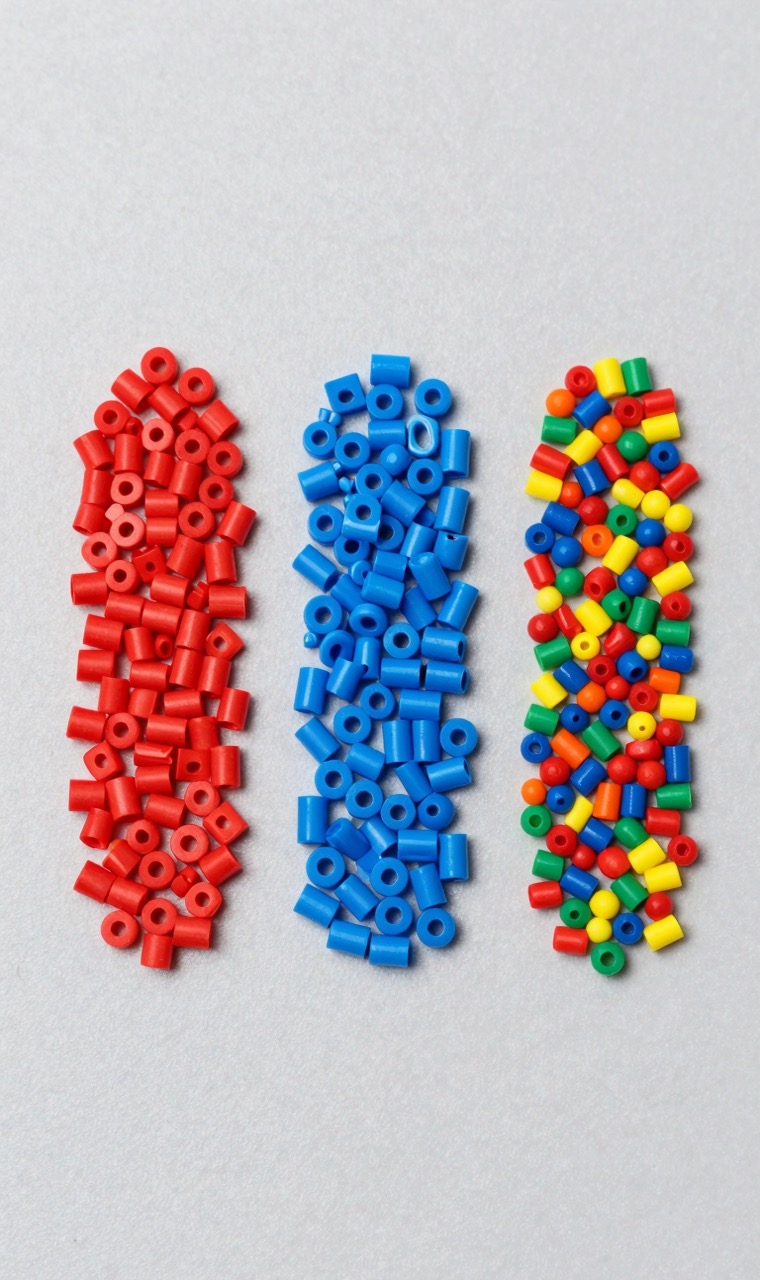
Three piles of colorful cylindrical fuse beads compared side by side
Perler, Hama, and Artkal beads compared side by side.

Bead Quality & Feel

Perler beads have a slightly matte finish and fuse evenly. Hama beads are known for their consistent shape and smooth surface. Artkal beads have a glossy finish and slightly softer plastic that fuses at lower temperatures.

Color Range

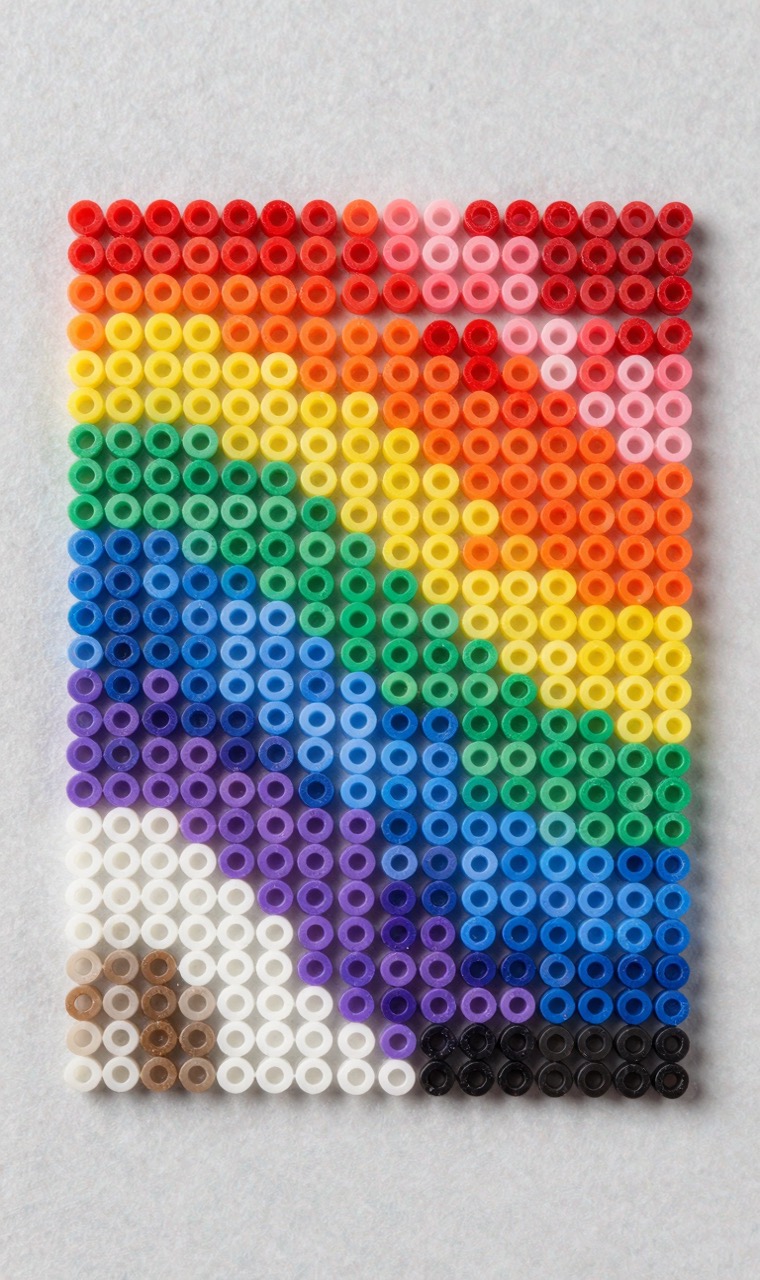
Perler: 221 colors including glow-in-the-dark and neon. Hama: ~60 colors, focused on classic shades. Artkal: 400+ colors across different bead sizes, the widest range available. Nabbi: ~23 colors, budget-friendly basics. For the full shade breakdown, see our fuse bead color guide.
Fuse beads arranged in a rainbow color gradient swatch
A gradient of fuse bead colors illustrates the range each brand offers.

Compatibility

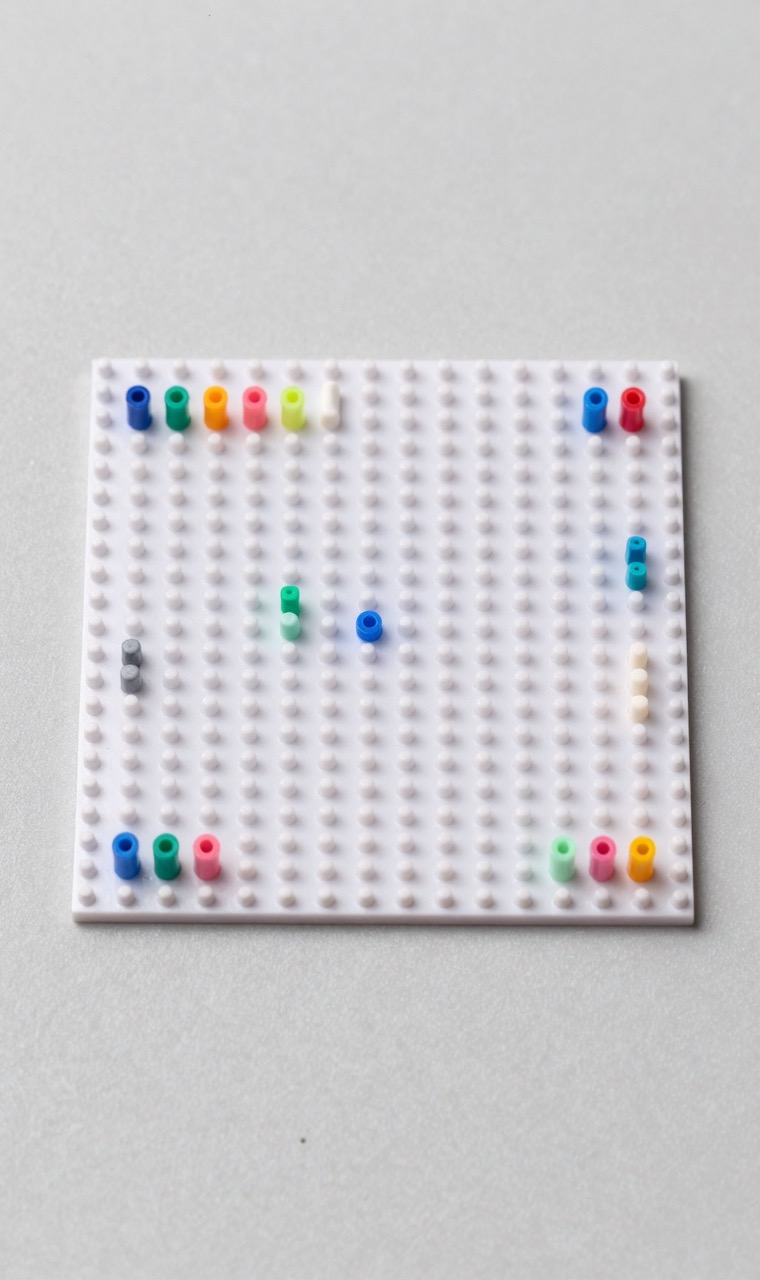
All 5mm fuse beads fit standard pegboards interchangeably. You can mix brands in a single project! However, slight differences in melting temperature mean you should be careful when ironing mixed-brand designs.
Colorful fuse beads placed on a square pegboard grid
Any 5mm bead fits the same pegboard, so brands mix freely.

Price Comparison

Perler: $6-12 for 6000-count buckets. Hama: $8-15 for similar quantities (imported). Artkal: $3-8 per 1000 beads, excellent value. All brands are affordable for craft projects.

Bead Quality and Consistency Comparison
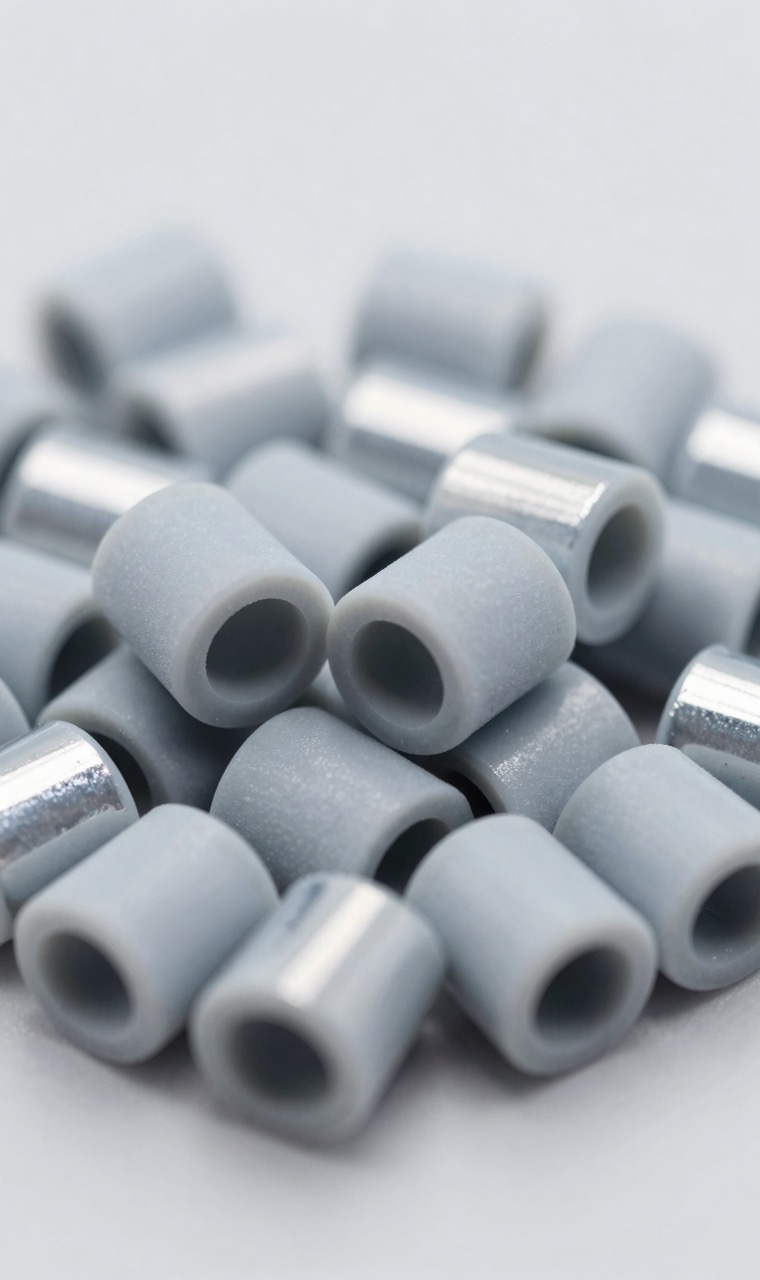
Quality differences become obvious once you've handled all three brands side by side. Here's a detailed comparison based on community testing in 2026. Perler (United States): Perler beads are manufactured to exacting tolerances β€” bead diameter and peg-hole size are remarkably consistent across buckets. The matte finish provides good grip on pegboards, and beads rarely fit too tightly or too loosely. The plastic is slightly harder than Artkal, which means it holds its center-hole structure well during ironing and produces crisp, recognizable pixel-art results. Perler beads are the gold standard for pixel art. Hama (Denmark): Hama beads have the tightest manufacturing tolerances of the three. Their shape consistency is exceptional β€” virtually no malformed beads in a bucket. The surface is smooth and slightly glossy. Hama's quality control is the most rigorous, which justifies their premium price. They fuse into an exceptionally clean, uniform surface that serious crafters prize for display pieces. Artkal (China): Artkal has dramatically improved its quality over the past five years. Early Artkal beads had inconsistent diameters and occasional flashing (excess plastic at the mold seam), but current production is much more consistent. Artkal beads have a glossy finish and a slightly softer plastic that melts at lower temperatures. The main quality consideration: their softer formulation means they're more prone to flattening if over-ironed. For pixel art that needs crisp center holes, monitor ironing time closely. Durability after fusing: All three brands produce equally durable finished pieces when ironed correctly. The choice comes down to color needs, price, and ironing behavior rather than final durability.
Macro close-up of fuse beads showing matte and glossy surface texture
Surface finish differs subtly between brands β€” matte vs glossy.

Price and Availability by Region

Where you live dramatically affects which brand is the most practical choice. Here's the landscape in 2026. North America: Perler dominates shelf space at Michaels, Joann, Hobby Lobby, Walmart, and Amazon. A 6,000-bead bucket runs $8-12. Artkal is available via Amazon and AliExpress ($3-8 per 1,000) but requires shipping wait times. Hama is hard to find in stores and commands import pricing ($15-20 per bucket online). Europe: Hama is the default β€” stocked in every craft store from Germany to the UK, with prices around €8-12 per 1,000 beads. Perler is the import brand here, costing €12-18 per bucket online. Artkal is available through AliExpress and European Amazon, with delivery in 1-2 weeks. China and East Asia: Artkal is king. Widely available on Taobao, JD.com, and local craft shops at very competitive prices (Β₯20-40 per 1,000 beads, roughly $3-6). Perler is imported and costs 2-3x more. Hama is rare and expensive. Rest of world (Australia, Latin America, Middle East): Artkal via AliExpress is usually the cheapest option thanks to global shipping. Perler and Hama are both imported with similar pricing. Expect to pay $10-15 per 1,000 beads regardless of brand. Pro tip: In every region, the most cost-effective approach is to buy Artkal for bulk colors and use Perler or Hama for specialty shades (glow-in-the-dark, metallic) that Artkal doesn't match as well.

Frequently Asked Questions

Can you mix different brands of fuse beads?

Yes, all standard 5mm beads are interchangeable on pegboards. Just note slight differences in melting temperature.

Which brand has the most colors?

Artkal has the widest range with 400+ colors across their product lines, followed by Perler with 221 colors.

Can I mix Perler and Artkal beads in the same project?

Yes, you can β€” all standard 5mm beads fit the same pegboards. The key consideration is that Artkal melts at a slightly lower temperature than Perler. When ironing a mixed-brand piece, set your iron to the lower temperature (suited for Artkal) and iron slightly longer so the Perler beads fully fuse. Always test on a small mixed-brand scrap piece first. For display pieces where visual consistency matters, be aware that Perler has a matte finish while Artkal is glossier β€” the texture difference is subtle but visible up close.

Which brand is best for 3D fuse bead projects?

Perler is generally the best choice for 3D projects. Its slightly harder plastic and higher melting point produce stiffer, more structurally rigid panels that hold their shape well when assembled into standing figures. The matte finish also disguises minor surface imperfections at the joints. Hama is a close second thanks to its exceptional shape consistency, which makes slot-and-tab connections fit precisely. Artkal works for 3D projects too, but its softer plastic can produce panels that flex under stress, making larger 3D figures less stable. For complex multi-panel 3D builds, use Perler for structural panels and Artkal only for decorative accents.

Ready to create your own patterns?

Open Pattern Generator
Share: