Menu

FuseBeads Hub Β© 2026

Best Fuse Bead Pegboards: Buying Guide

Find the right pegboard for your fuse bead projects. Compare square, circle, and specialty pegboards from Perler, Hama, and more.

Beginner5 min read

Square Pegboards

The standard 29x29 square pegboard is the most versatile. You can connect multiple boards for larger designs. Perler and Hama both offer quality square boards that interlock.
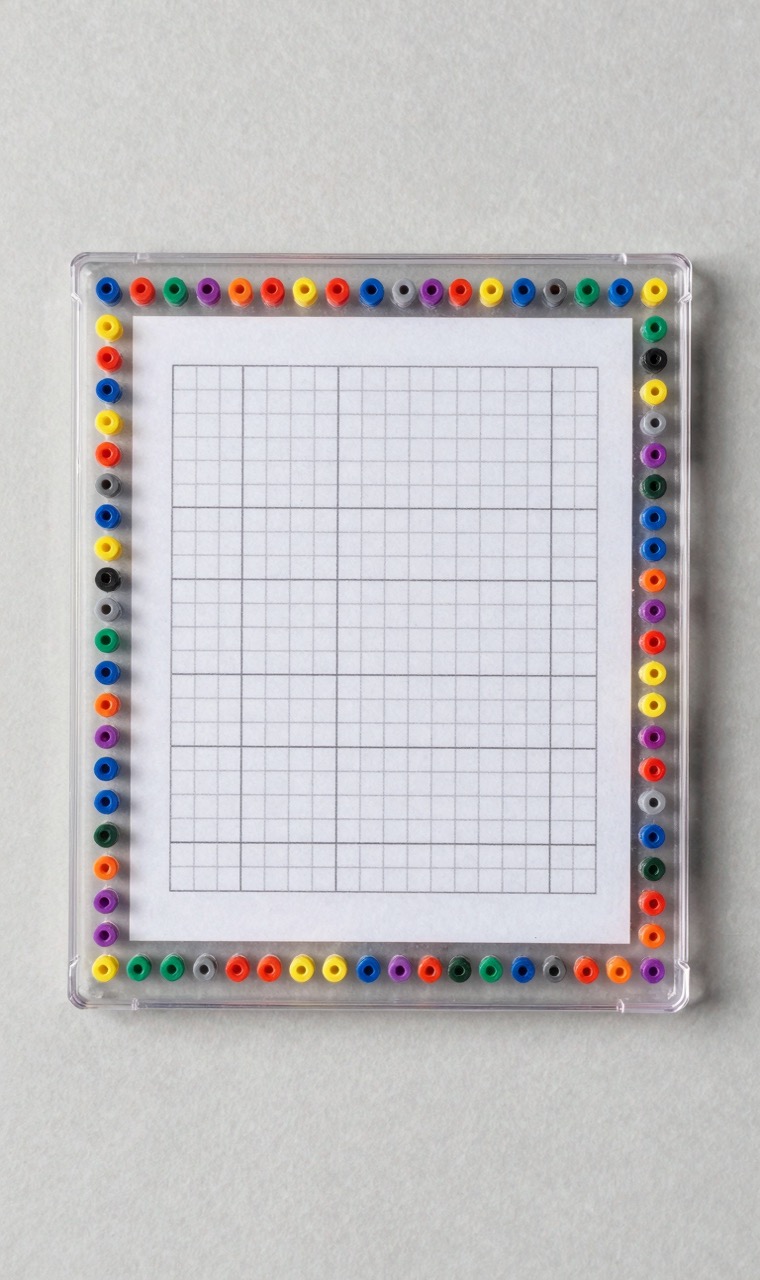
A transparent pegboard with colorful beads over a printed grid
Transparent boards let you follow a pattern underneath.

Shaped Pegboards

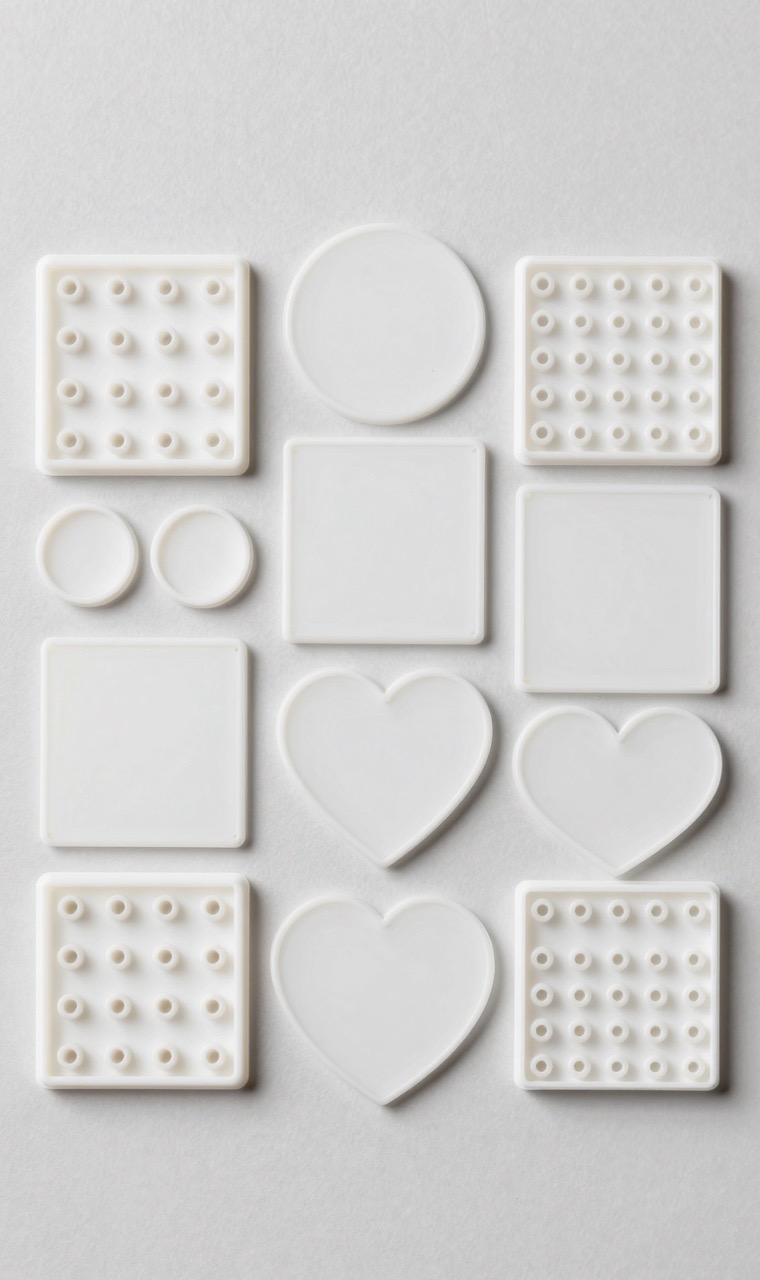
Circle, heart, star, and hexagon pegboards are great for specific projects. Perler offers animal-shaped and character boards. These are fun but less versatile than squares.
Assorted empty pegboards in square, circle, heart, and hexagon shapes
Shaped boards are fun for specific projects.

Large Format Boards

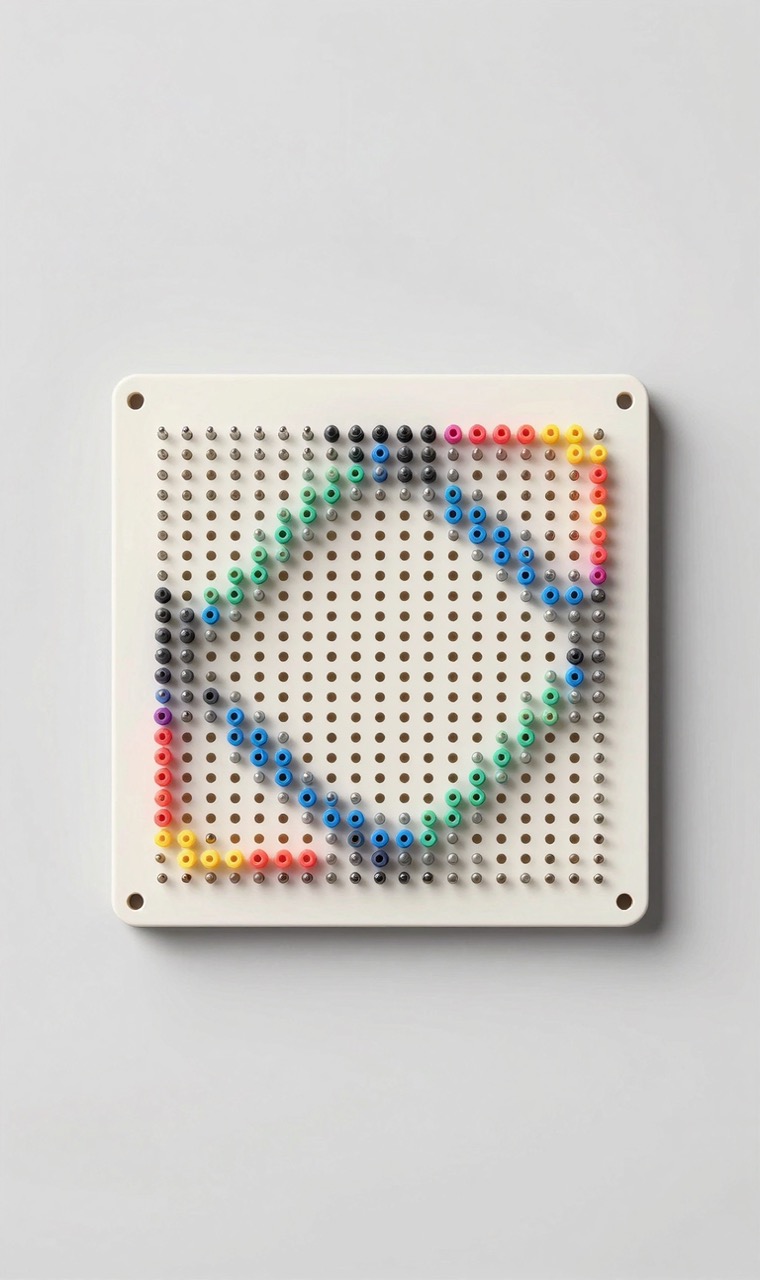
For big projects like wall art, look for 58x58 or larger boards. Alternatively, connect 4 standard boards into a 58x58 grid. Some brands offer super boards up to 96x96 pegs.
A single large square pegboard partially filled with a bead pattern
Large boards handle wall art and big portraits.

How to Connect Multiple Pegboards for Large Patterns
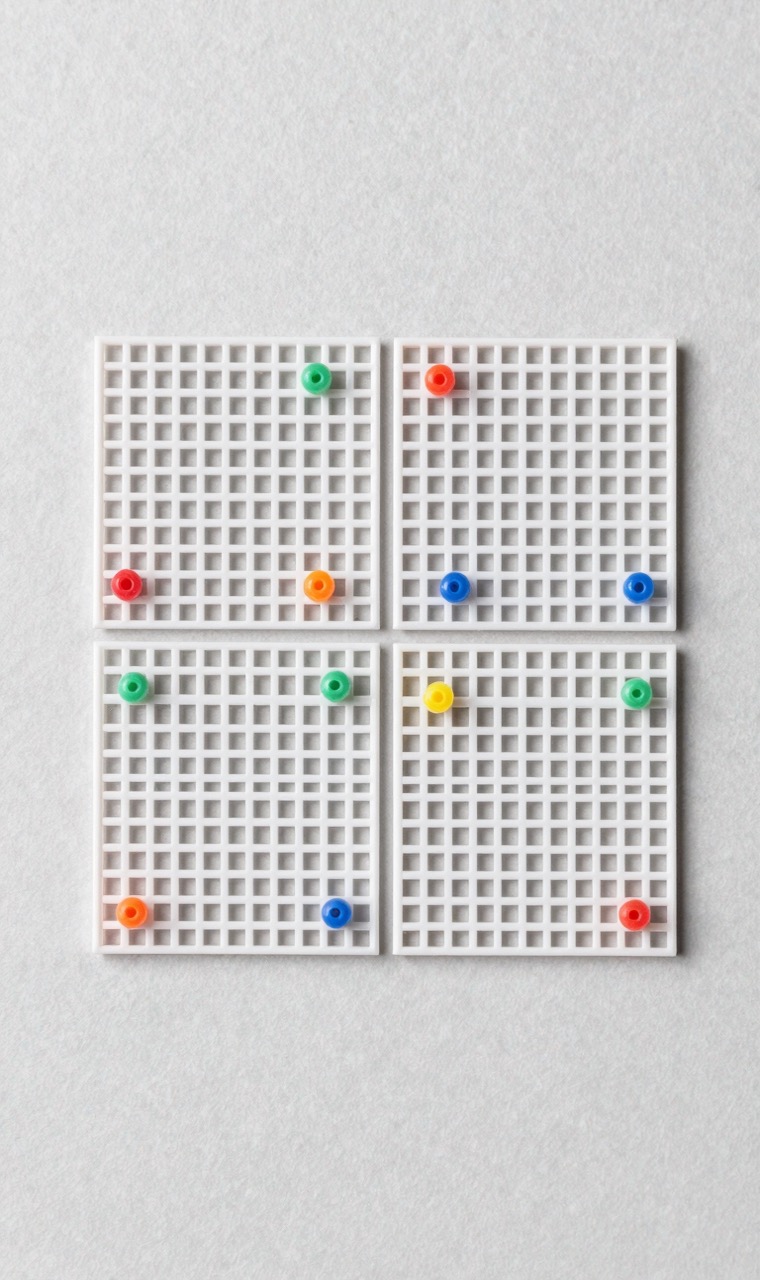
Large fuse bead patterns β€” wall art, big pixel-art portraits, and diorama backgrounds β€” exceed the capacity of a single 29x29 pegboard. Here's how to combine boards effectively. Interlocking basics: Perler and most generic square pegboards have interlocking tabs on all four edges. Snap two boards together by aligning the tabs on one board's edge with the slots on the adjacent board, then press down firmly until they click. Four boards arranged in a 2x2 grid create a 58x58 working surface β€” the most common large-format setup. Hama boards use a different proprietary connector and generally don't interlock with Perler boards. Alignment is critical: When boards are connected, the peg grid must line up perfectly across the seam. If the grid is off by even half a peg, your pattern will look warped. After snapping boards together, sight down the seam to confirm alignment before placing any beads. Stabilizing large setups: Connected boards can flex at the seams, which dislodges beads. Place your connected boards on a rigid surface β€” a cutting mat, a piece of MDF, or a large baking sheet. For very large assemblies (4+ boards), tape the underside seams with masking tape for extra rigidity during beading. Ironing large designs: A standard iron can't cover a 58x58 design in one pass. Iron in sections, working from one corner outward, slightly overlapping each pass. Be extra careful at the seams β€” the slight gap can cause uneven fusion if you move too fast. Disassembly after ironing: Let the piece cool completely, then carefully flex the boards apart from the back. Never pull the ironed piece off the pegs forcefully β€” it will crack.
Four square pegboards interlocked into a 2x2 large grid
Interlock four boards for a 58x58 work surface.

Pegboard Care and Maintenance

With proper care, quality pegboards last for hundreds of projects. Follow these maintenance tips to maximize their lifespan. Cleaning: Beads leave behind plastic dust and occasional melted residue over time. Clean your pegboards by soaking them in warm soapy water for 10 minutes, then gently scrubbing with a soft toothbrush. Rinse thoroughly and air-dry completely before use β€” water trapped in the peg holes can cause beads to fit loosely. Avoid hot water, which can warp the plastic. Dealing with melted bead residue: If beads have melted onto the pegboard surface (usually from ironing without enough paper coverage), place the board in the freezer for 30 minutes β€” the hardened plastic becomes brittle and pops off the pegs easily. Never scrape melted beads off with metal tools; you'll damage the pegs. Storage: Store pegboards flat, not stacked at angles, to prevent warping. Stack same-size boards with a sheet of paper between them to protect the pegs. Avoid leaving boards in hot cars or direct sunlight β€” prolonged heat warps them permanently. Extending pegboard life: The most common failure mode is broken pegs from rough handling. Always remove ironed pieces by lifting straight up gently or flexing the board β€” never yank. When connecting boards, press down on the tabs evenly rather than forcing one corner. Replace boards when more than 3-4 pegs are broken, as missing pegs cause beads to drop through and misalign your pattern. When to replace: A quality pegboard typically lasts 2-3 years of regular use. Signs it's time to replace: warped surface (beads won't sit flat), multiple broken pegs, or melted distortion on the ironing surface.

Frequently Asked Questions

Can you connect different brand pegboards?

Perler and most generic boards interlock. Hama boards use a different connector. Check compatibility before mixing.

Can I reuse pegboards after ironing?

Yes β€” pegboards are designed to be reused hundreds of times. After ironing, let the board and your design cool completely (at least 5 minutes), then gently lift the fused piece straight up off the pegs. Never pull forcefully or twist, as this can snap pegs off. If beads have melted onto the board surface, place it in the freezer for 30 minutes and the hardened plastic will pop off cleanly. Clean occasionally with warm soapy water to remove dust buildup. With proper care, a quality pegboard lasts 2-3 years of regular use.

What's the difference between transparent and opaque pegboards?

Transparent (clear) pegboards let you slide a printed pattern underneath and see exactly where each bead goes β€” invaluable for following complex designs and for beginners. You simply tape the pattern under the board and place beads directly over the colored squares. Opaque boards cost slightly less and are more durable (the clear plastic can become cloudy or crack over time with heat exposure), but you must work from a pattern held beside the board or memorized. For most crafters, transparent boards are worth the small extra cost. Some specialty shaped boards (animals, characters) are only available in opaque versions.

Ready to create your own patterns?

Open Pattern Generator
Share: