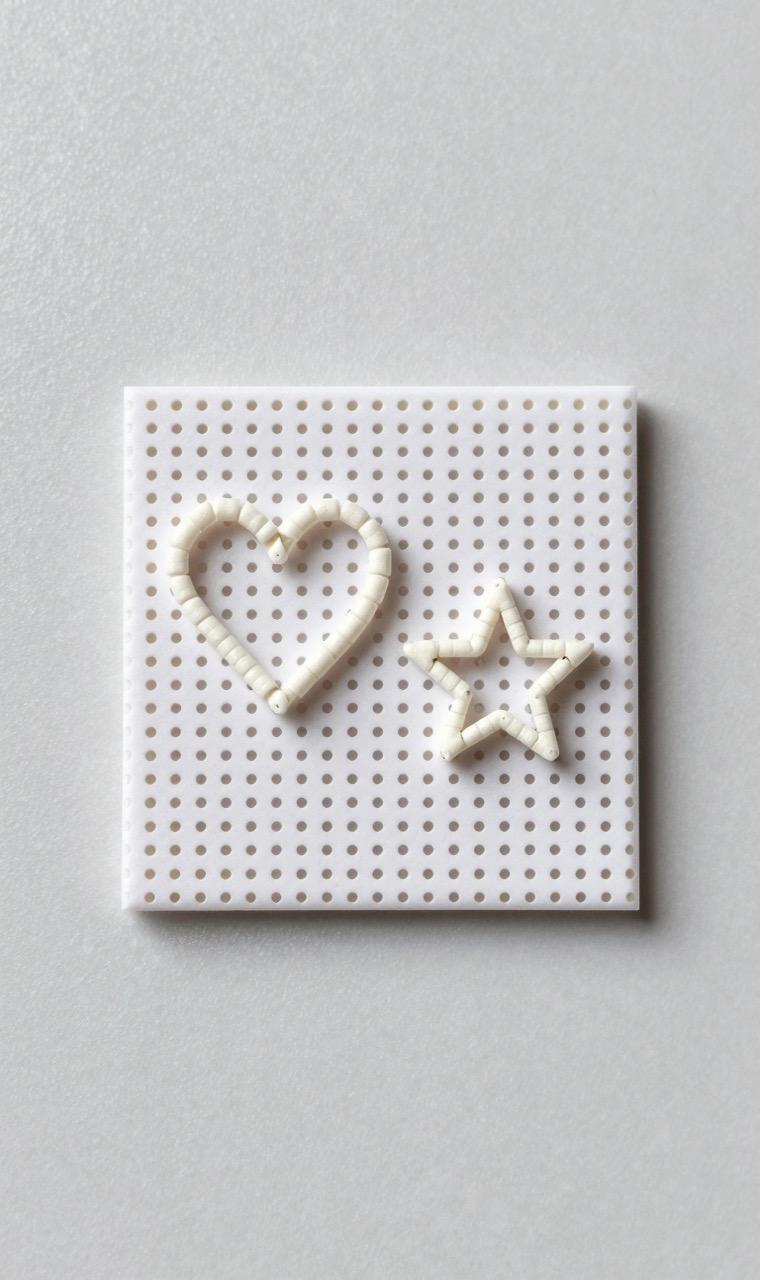
Turn fuse beads into lightweight, eye-catching earrings and jewelry. Covers mini pattern design, earring hardware attachment, sealing techniques, and selling handmade jewelry online.
The Rise of Pixel-Art Jewelry in 2026
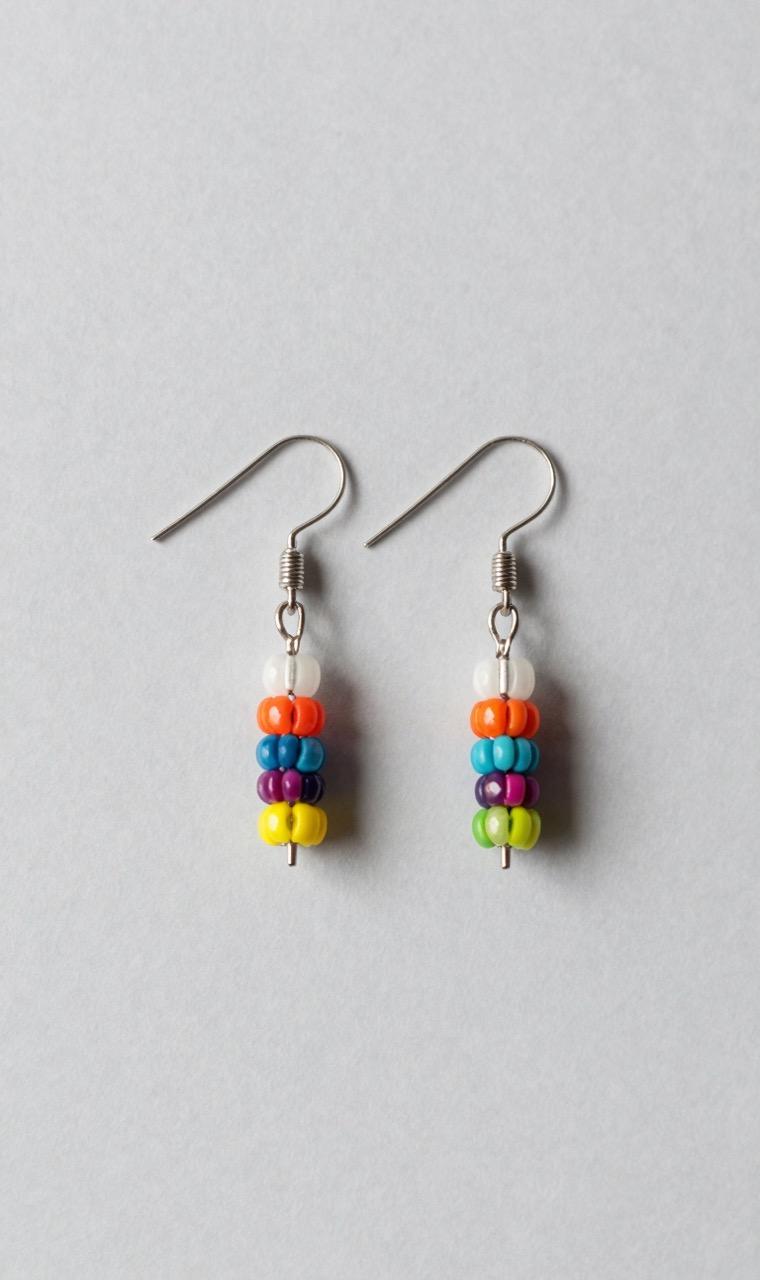
Pixel-art jewelry has become one of the fastest-growing segments of the handmade accessories market. Fuse bead earrings offer a unique combination of retro gaming nostalgia, lightweight comfort, and bold visual design that stands out in a sea of mass-produced jewelry. On Etsy, fuse bead earrings typically sell for $12-28 per pair, with material costs under $2 β making them one of the highest-margin handmade items you can make.
The key to successful jewelry-grade fuse bead pieces is miniaturization. Standard patterns (14Γ14, 100 beads) are too large for earrings. Jewelry requires tiny 6Γ6 to 10Γ10 patterns (36-100 beads) that are delicate enough to wear comfortably. This means every single bead placement matters β a single wrong-color bead in a 6Γ6 grid can distort the entire design.
Materials & Hardware for Jewelry Making
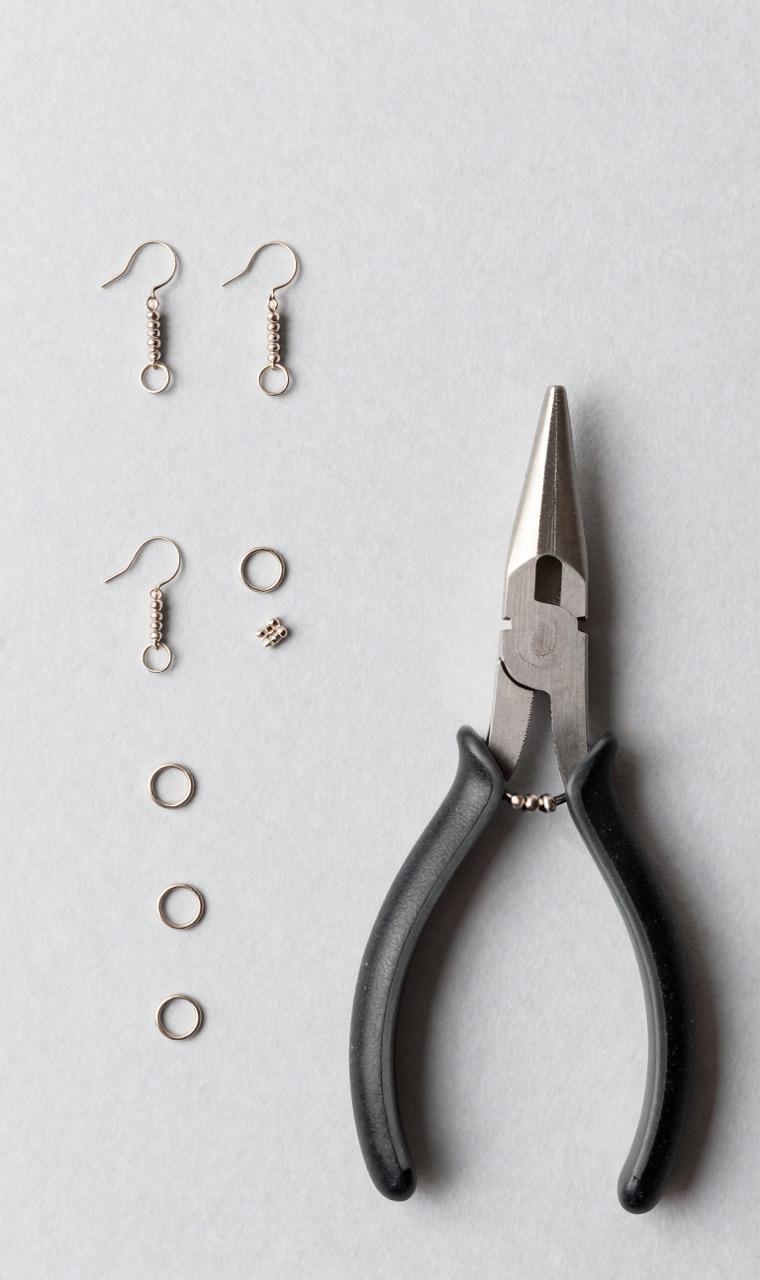
Earring-specific supplies you'll need beyond standard beads and pegboards:
β’ Mini pegboards (8Γ8 or Perler mini-bead mini pegboard) for earring-sized patterns
β’ Earring hooks: surgical steel (hypoallergenic, $0.10/pair) or gold-plated ($0.25/pair)
β’ Jump rings (4-6mm) to connect bead piece to hook
β’ E6000 jewelry adhesive (strongest bond, dries clear)
β’ Small flat-nose pliers for opening/closing jump rings
β’ Optional: mini beads (5mm diameter instead of standard 5mm) β half the size, double the detail
For necklaces: add pendant bails ($0.05 each) and necklace chains ($0.50-2.00). For brooches: add pin backs ($0.10 each). For hair clips: add flat alligator clips ($0.15 each).
All hardware is available in bulk on Amazon or jewelry supply sites like Fire Mountain Gems.
Designing Earring-Sized Patterns (6Γ6 to 10Γ10)
At earring scale, design constraints are extreme. Here's what works:
Best earring designs by grid size:
β’ 6Γ6 (36 beads): single icons β heart, star, smiley face, flower, lightning bolt. Maximum 3 colors. Recognizable at arm's length.
β’ 8Γ8 (64 beads): characters and objects β Mario mushroom, Pokeball, ghost, cupcake, music note. 3-4 colors.
β’ 10Γ10 (100 beads): detailed mini-scenes β cat face, galaxy, rainbow, cherry blossom. 4-5 colors. Getting heavy for earlobes.
Design principles for earrings:
1. Bold over detailed: high contrast reads better than subtle shading at small sizes.
2. Symmetry: symmetrical designs (hearts, stars, flowers) look more intentional as earrings than asymmetric ones.
3. Matched pairs: for unmatched 'gallery' earring sets, make two complementary designs (sun + moon, cat + dog).
4. Weight limit: keep each earring under 5 grams (about 50 standard beads max) to avoid earlobe fatigue.
Attaching Hardware & Professional Finishing
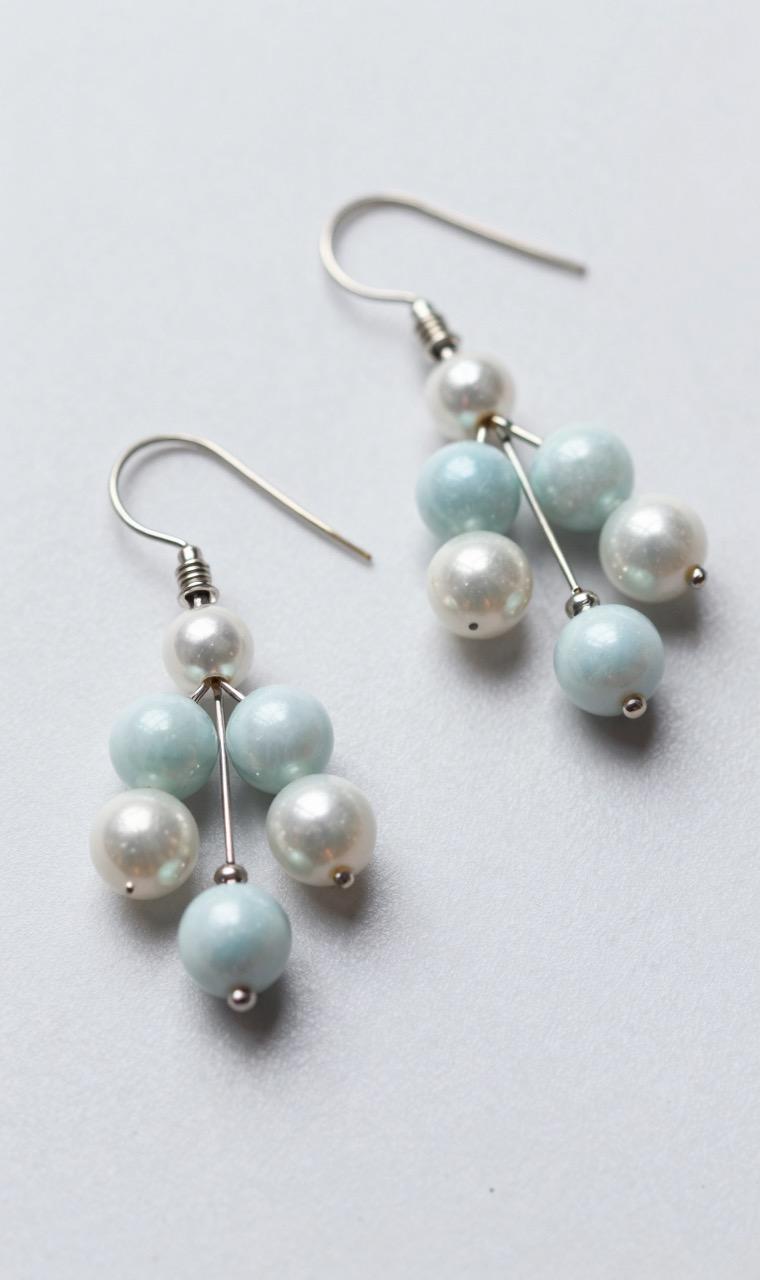
The attachment method determines whether your earrings look handmade or professional:
Method 1 β Direct jump ring: Thread a 5mm jump ring through a bead hole at the top center of the piece, close with pliers, attach earring hook. Simplest method, works for symmetrical designs. The ring sits visibly at the top.
Method 2 β Glued bail: Use E6000 to glue a small pendant bail to the back-top of the bead piece. Let cure 24 hours. Thread the earring hook through the bail. Cleanest front appearance β no visible hardware.
Method 3 β Drilled hole: For thick double-ironed pieces, carefully drill a 1mm hole at the top with a hand drill. Thread jump ring through. Most secure but requires practice.
Finishing touches: apply one thin coat of Mod Podge Dimensional Magic (or similar doming resin) to the front for a glossy, professional finish. This also seals the bead surface and prevents color fading from UV exposure.
Ready to create your own patterns?
Open Pattern Generator