Menú

FuseBeads Hub © 2026

Dragon Fuse Bead Patterns: Mythical Creatures Guide

Learn to create stunning dragon fuse bead patterns, from Eastern serpents to Western dragons and cute babies. Includes scale techniques, material lists, and expert tips.

Principiante5 min read de lectura

Why Dragon Patterns Are a Crafter's Favorite

Dragons have captured imaginations for centuries, and translating these mythical creatures into fuse bead art is a rewarding challenge for crafters of all levels. Whether you're drawn to the serpentine elegance of Eastern dragons or the fierce, winged silhouette of Western dragons, fuse beads offer a unique way to bring these legends to life. The pixelated nature of fuse beads lends itself perfectly to the intricate scales, flowing whiskers, and dramatic wings that define dragon designs. One of the best things about dragon patterns is their versatility. You can create a small, simple baby dragon as a keychain or a large, detailed wall piece that becomes a conversation starter. The range of colors available in fuse beads means you can experiment with iridescent scales, fiery breath, and shimmering wings. Plus, dragon patterns often incorporate techniques like color blending and layering that help you grow as a crafter. If you're new to fuse beads, dragon designs might seem intimidating, but they're more approachable than you think. Starting with a baby dragon or a simplified Eastern dragon allows you to practice basic pegboard placement and ironing before tackling more complex projects. And for those who love a challenge, advanced patterns with multiple pegboards and 3D elements await.

Essential Materials and Tools for Dragon Projects
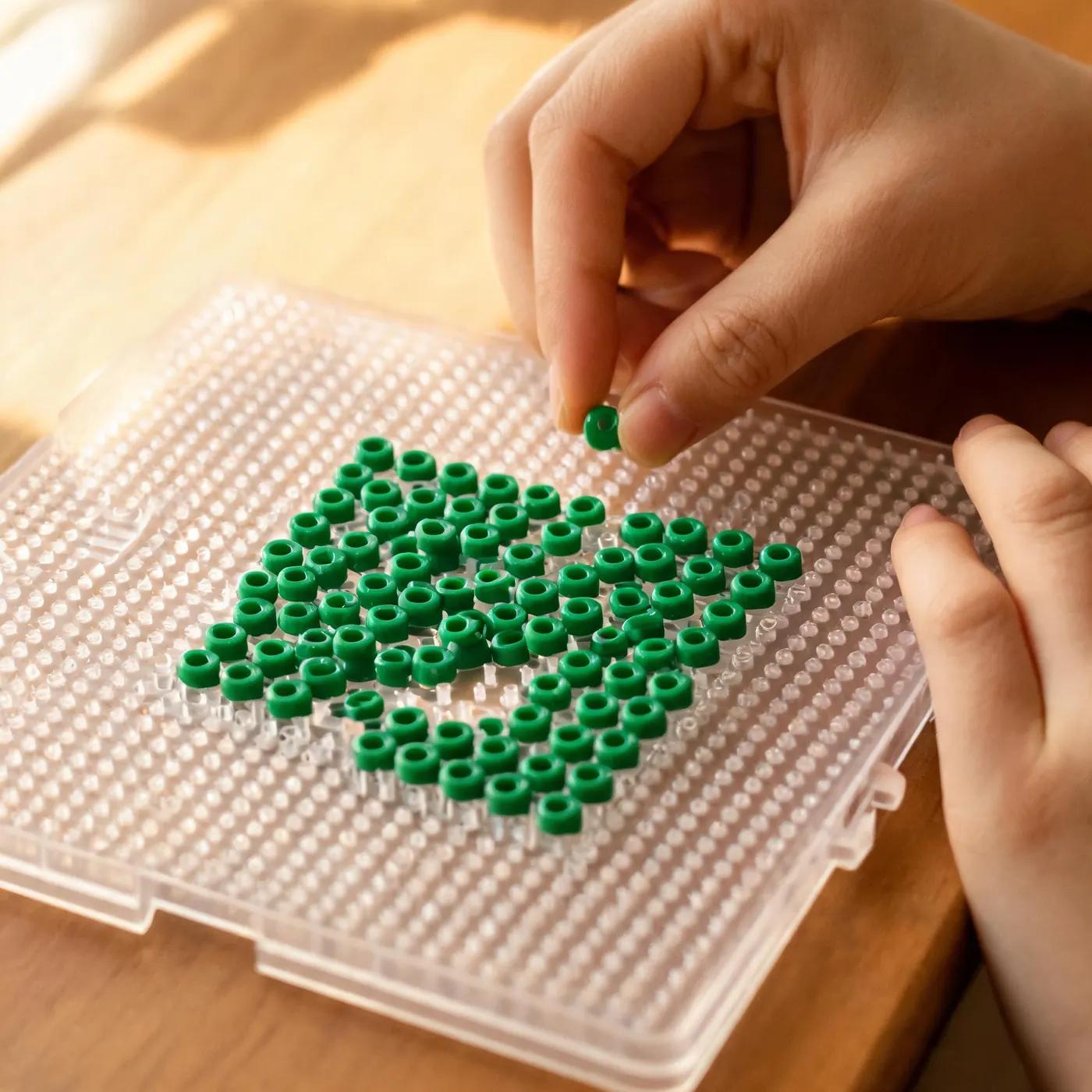
Before you dive into your first dragon pattern, gather the right supplies. You'll need fuse beads in a variety of colors—greens, blues, reds, golds, and metallics are common for dragons. A standard set of pegboards (large square and small shapes) is essential, and for bigger designs, consider interlocking boards. Tweezers are invaluable for placing tiny beads in intricate scale patterns, and parchment paper plus an iron are necessary for fusing. A recommended tools guide can help you choose the best tweezers and irons. Color selection is crucial for dragons. Eastern dragons often feature vibrant greens, golds, and reds, while Western dragons might use darker, more menacing tones like deep purples, blacks, and fiery oranges. Metallic and glow-in-the-dark beads can add magical effects. A fuse bead color guide can help you plan a cohesive palette. Don't forget to stock up on basic black and white beads for outlines and highlights. For storing your growing bead collection, a compartmentalized storage box is a must. Keeping colors organized by hue will save you time when working on detailed dragon scales. Also, consider a bead dispenser or a small scoop for easy pouring. Finally, a good light source and a comfortable workspace will make long crafting sessions more enjoyable.
Essential Materials and Tools for Dragon Projects

Eastern Dragons: Serpentine Elegance in Beads

Eastern dragons, often depicted as long, serpentine creatures with whiskers, horns, and flowing manes, are a beautiful subject for fuse bead art. Their undulating bodies allow for dynamic compositions that flow across the pegboard. When designing or selecting a pattern, pay attention to the curve of the body—it should have a sense of motion. Start with a smaller pattern to understand the proportions, then scale up. Scale technique is key for Eastern dragons. Instead of solid color blocks, use alternating shades of green or gold to suggest individual scales. A common method is to create a repeating pattern of two or three bead colors in a diamond or scalloped arrangement. This adds texture and depth. For the mane and whiskers, use thin lines of contrasting beads (like white or silver) to create a sense of flow. The eyes should be expressive, often using black beads with a white highlight. Eastern dragons are often associated with water and weather, so consider incorporating blue and white beads for clouds or waves around the dragon. This not only frames the creature but also adds context. For a stunning display, mount your finished piece on a canvas or frame it as wall art. The intricate details of an Eastern dragon make it a captivating piece that showcases your skills.

Western Dragons: Fierce Wings and Fiery Details
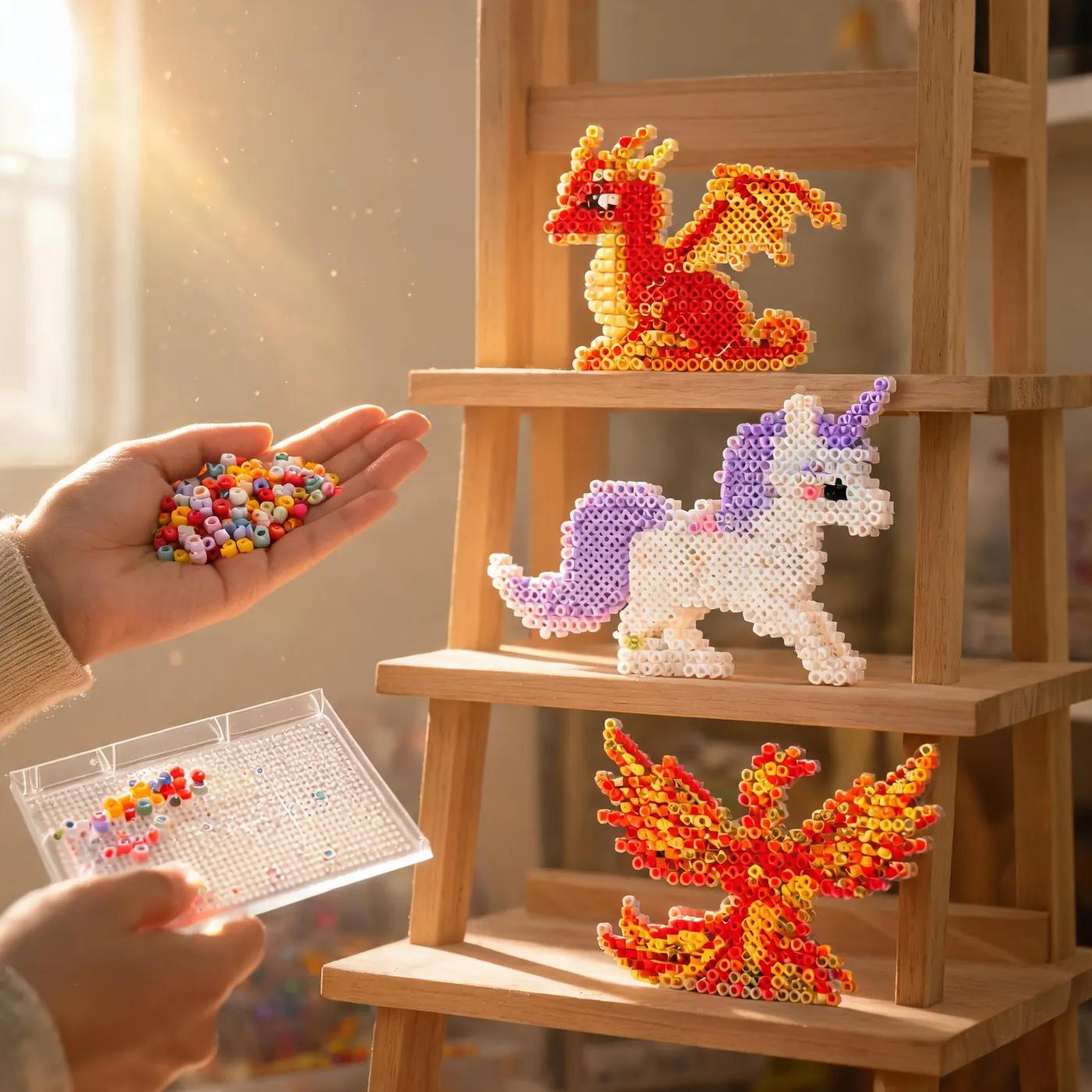
Western dragons are characterized by their powerful build, large wings, and often a fiery breath. These dragons offer a different set of challenges: creating the illusion of flight, rendering muscular forms, and depicting flames. When working on a Western dragon pattern, start with the wings—they are often the largest and most complex part. Use a mix of dark and light beads to create shadows and highlights that give the wings a three-dimensional feel. The body of a Western dragon is typically more robust than an Eastern dragon, so use a wider color palette to define muscle groups. Layering beads of similar hues (e.g., dark red, bright red, orange) can simulate the play of light on scales. For the fiery breath, use a gradient of yellow, orange, and red beads, perhaps with a few glow-in-the-dark beads for a magical touch. The eyes should be intense, often using a single bright bead like red or gold. Western dragons are popular for coasters and ornaments, as their bold shapes work well in smaller formats. For a coaster, simplify the design to the head and shoulders, focusing on the face and horns. For an ornament, a full-body dragon in flight can be stunning. Remember to iron evenly to avoid warping, especially with larger pieces that have varying bead densities.
Western Dragons: Fierce Wings and Fiery Details

Cute Baby Dragons: Simple Patterns for Beginners

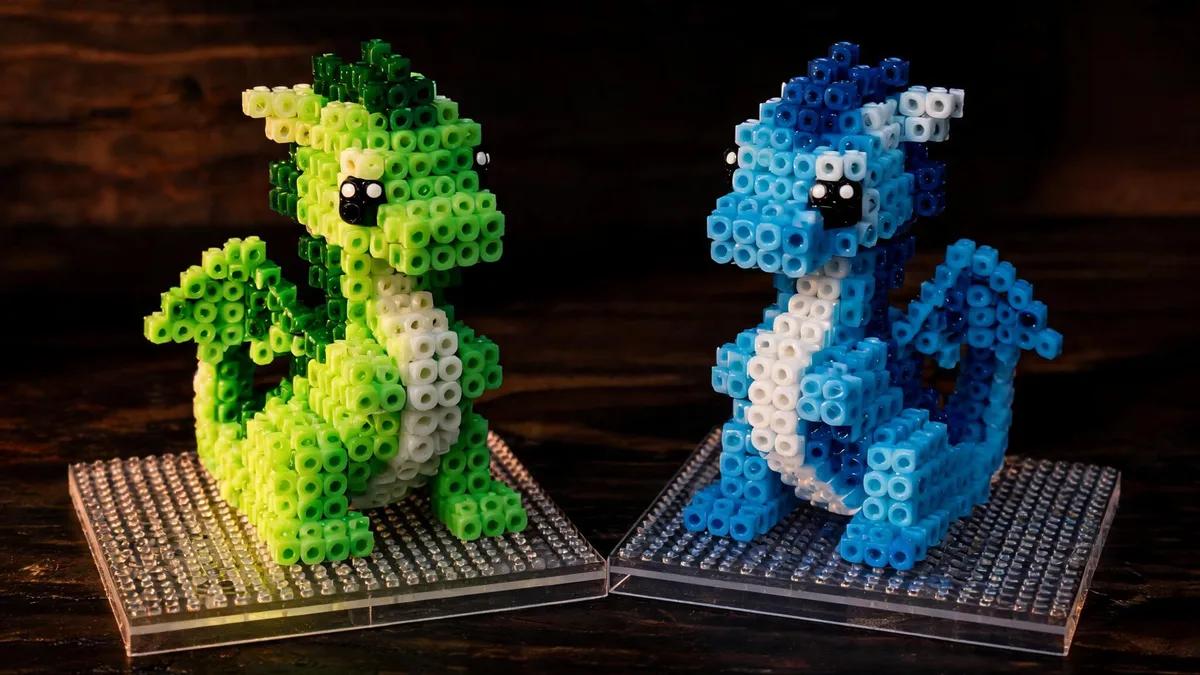
Baby dragons are adorable and perfect for beginners or for quick, satisfying projects. These patterns typically feature a large head, big eyes, and a small body, often with tiny wings. The simplicity of the design makes them ideal for practicing basic techniques without the pressure of intricate details. You can find many free patterns online or create your own using a pattern generator. When making a baby dragon, focus on the eyes—they are the key to cuteness. Use large black beads with white highlights to create a sparkling, innocent look. The body can be a single color or a simple two-tone scheme. Add small wings and a tail for character. Baby dragons are also great for trying out different bead types, such as glitter or glow-in-the-dark beads for a magical effect. These small projects are perfect for making magnets or keychains, and they make delightful gifts. Because they use fewer beads, you can experiment with color variations without a big investment. Try making a set of baby dragons in different colors—each with its own personality. They also make great additions to a dragon-themed collection or as standalone cute crafts.

Step-by-Step: Fusing and Finishing Your Dragon

Once your dragon design is complete on the pegboard, it's time to fuse. Cover the design with parchment paper and iron on a medium setting (no steam) using circular motions. Press lightly at first to avoid shifting beads, then apply more pressure. The goal is to fuse the beads just enough so they stick together but retain their hole definition. Over-ironing can cause the beads to flatten and lose detail, so check frequently. For a more detailed guide, see how to iron fuse beads. After fusing one side, let it cool completely before removing from the pegboard. If you want a sturdier piece, flip it over and fuse the other side as well. For 3D dragons or those with moving parts, you might fuse only one side to keep flexibility. Always iron on a heat-resistant surface and use a pressing cloth to protect your iron. Finishing touches can elevate your dragon. For a glossy look, apply a thin coat of clear sealant or mod podge. If your dragon has a flat base, you can attach a magnet, keychain ring, or pin back using strong glue. For wall art, consider mounting on a contrasting background. And don't forget to share your creation—dragon patterns are always popular in crafting communities.

Preguntas Frecuentes

What size pegboard do I need for a dragon pattern?

The pegboard size depends on the complexity of your dragon. For small baby dragons or simplified designs, a standard 14x14 or 29x29 pegboard is sufficient. For larger, detailed dragons, you may need multiple interlocking pegboards to create a bigger canvas. Many crafters use a large square pegboard (like 49x49) for full-body Western dragons. If you're just starting, begin with a small pattern to get a feel for the process.

How do I create realistic scales on a dragon?

Realistic scales are achieved through color variation and pattern. Instead of using a single color, alternate between two or three shades of the same hue in a repeating geometric pattern (like diamonds or scallops). You can also use a technique called 'dithering,' where you mix beads of different colors to create a gradient effect. For extra dimension, add a few metallic or iridescent beads randomly. Practice on a small section first to see what looks best.

Can I make a 3D dragon with fuse beads?

Yes, 3D dragons are possible and quite impressive! They typically involve creating separate pieces (like body segments, wings, and head) and then joining them using slots or hinges. Some crafters use wire or string to connect parts for articulation. For a beginner-friendly 3D project, try a simple standing dragon with a flat base. For more advanced techniques, check out our 3D fuse bead tutorial.

How do I prevent my dragon from warping when ironing?

Warping happens when heat is unevenly applied or when the piece cools too quickly. To prevent it, iron evenly with circular motions and avoid over-ironing. After fusing, place a heavy book or flat object on the piece while it cools to keep it flat. If you're using multiple pegboards, make sure they are securely interlocked. Also, iron on a heat-resistant surface and avoid moving the piece until it's completely cool.

¿Listo para crear tus propios patrones?

Abrir el creador gratuito
Compartir: